Seamless Patterns with Rabbits: A Creative Resource for Designers and Artists
Seamless patterns with rabbits offer a unique blend of whimsy and functionality, making them a valuable asset for designers, artists, and creators working across various media. These patterns are designed to repeat seamlessly, allowing for endless applications in backgrounds, textiles, digital art, and more. When paired with the charm of rabbits, they bring a sense of warmth and playfulness that can elevate any project.
The Role of Seamless Patterns in Design Workflows
Seamless patterns are not just decorative elements—they are essential tools in the design process. They enable consistent visual storytelling, streamline production, and reduce the need for repetitive design work. In creative workflows, seamless patterns with rabbits serve as a foundation for larger compositions, helping maintain visual harmony across different sections of a design.
For instance, in web design or app development, seamless rabbit patterns can be used as background textures to create a cohesive look without disrupting the user experience. Similarly, in print design, these patterns can be applied to packaging, stationery, or promotional materials, adding a touch of personality while ensuring scalability and consistency.
Where Seamless Patterns with Rabbits Fit Into Projects
Seamless patterns with rabbits can be integrated at various stages of a project, depending on the creative goals. Before starting a project, they can act as inspiration or mood boards, helping establish a visual direction. During the design phase, they can serve as templates or base layers, especially in digital illustration or graphic design.
After the initial design is complete, seamless rabbit patterns can be used for texture overlays, repeating elements, or even as part of a brand’s visual identity. Their adaptability makes them suitable for both personal and professional use, whether you're creating a small-scale artwork or managing a large design campaign.
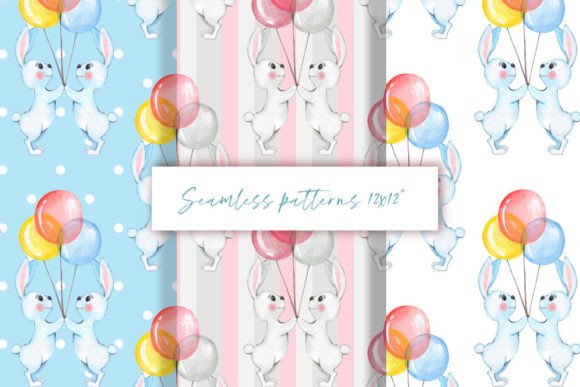
Using 3 Watercolor Seamless Patterns with Rabbits (3600x3600px, 300 DPI)
When working with high-resolution seamless patterns, such as the 3 watercolor seamless patterns with rabbits available in 3600x3600px at 300 DPI, the quality and versatility of the design become even more apparent. These patterns are ideal for both print and digital use, offering crisp details and rich color depth that maintain clarity at any scale.
The watercolor style adds a soft, organic feel that complements a wide range of design styles—from minimalist layouts to vibrant, playful visuals. Each pattern can be customized to suit different needs, whether it's for a product label, website header, or a custom illustration.
One key advantage of using these high-resolution patterns is their compatibility with various design software. Whether you're using Adobe Photoshop, Illustrator, or free alternatives like GIMP or Krita, these patterns can be easily imported and manipulated, ensuring flexibility in your creative process.
Practical Implementation Tips
- Choose the Right Tool: Ensure your design software supports seamless pattern application. Some programs allow direct import of seamless patterns, while others require manual tiling or adjustment.
- Test at Different Scales: Before finalizing a design, test the pattern at various sizes to ensure it maintains its integrity and visual appeal.
- Layer Smartly: Use the pattern as a background layer or overlay to avoid overwhelming the main design elements. Adjust opacity and blending modes for better integration.
- Save for Multiple Uses: Export the pattern in multiple formats (PNG, JPEG, SVG) to suit different projects and platforms.
- Organize Your Files: Keep a dedicated folder for all seamless patterns to streamline your workflow and make future projects more efficient.
Integration with Other Design Resources
Seamless patterns with rabbits don’t exist in isolation. They often interact with other design elements, tools, and methods to create a cohesive visual language. For example, pairing a rabbit pattern with hand-drawn illustrations or typography can enhance the overall aesthetic of a design.
When working with vector-based designs, seamless patterns can be used as fill strokes or gradients, providing a subtle yet impactful effect. In contrast, when designing for print, these patterns can be combined with photographs or textures to add depth and interest.
Collaboration is also an important factor. If you're working in a team or with clients, sharing seamless patterns with rabbits ensures everyone has access to the same visual assets, reducing miscommunication and streamlining the approval process.
Workflow Examples
- Web Design: Use a watercolor rabbit pattern as a background for a website's homepage. Apply it as a subtle texture behind text and images to create a warm, inviting atmosphere.
- Print Marketing: Incorporate a seamless rabbit pattern into a brochure or flyer. It can be used as a border, section divider, or background element to reinforce brand identity.
- Digital Illustration: Add a rabbit pattern as a texture overlay to a character illustration, giving it a natural, hand-painted feel.
- Product Packaging: Print a seamless rabbit pattern on a gift box or bag. The pattern can be repeated across the surface to create a cohesive and eye-catching design.
Factors to Consider for Long-Term Use
When integrating seamless patterns with rabbits into your workflow, several factors should be considered to ensure long-term usability and efficiency. Preparation is key—ensuring that the patterns are properly formatted, tested, and stored in an accessible location can save time and prevent errors.
Compatibility is another important consideration. Make sure the patterns work well with your design tools and file formats. Usability should also be evaluated; patterns that are too complex or difficult to apply may hinder rather than help your creative process.
Organization plays a role in maintaining consistency across projects. Keeping a clear record of which patterns were used, where, and for what purpose can help in future planning and execution. Quality control is essential as well—reviewing the patterns regularly ensures they remain relevant and effective over time.
Observations and Best Practices
One observation is that seamless patterns with rabbits tend to perform best when used in moderation. Overuse can lead to visual clutter, especially in digital designs. It’s important to balance the pattern’s presence with other design elements to maintain a clean and intentional composition.
Another best practice is to experiment with different variations of the patterns. Many seamless rabbit patterns come in multiple versions, each with slight differences in color, texture, or layout. Exploring these options can help find the perfect fit for your specific project.
Finally, consider how these patterns align with your brand or creative vision. A seamless rabbit pattern should complement your overall aesthetic rather than overshadow it. This alignment ensures that the pattern enhances the design rather than detracts from it.
By understanding how seamless patterns with rabbits function within a broader creative context, you can leverage their potential to improve your workflow, enhance your designs, and achieve more consistent results. Whether you're a seasoned designer or a hobbyist exploring new creative avenues, these patterns offer a versatile and engaging resource that can elevate your work in meaningful ways.