Lime Green and White Geometric Patterns for Creative Projects
Lime green and white geometric patterns offer a fresh, modern aesthetic that blends bold color with structured design. These patterns are ideal for a variety of creative projects, from scrapbooking to digital paper crafting. Their versatility makes them a popular choice among designers, hobbyists, and professionals looking for visually appealing backgrounds and decorative elements.
What Are Lime Green and White Geometric Patterns?
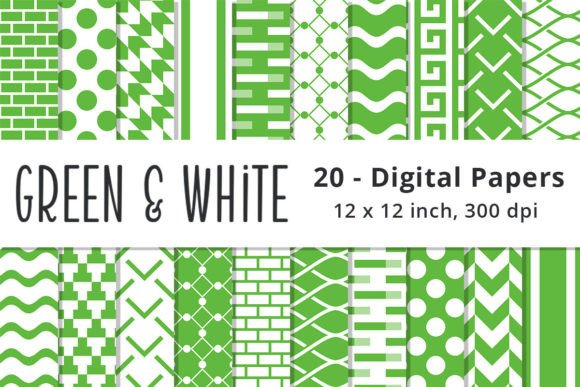
Lime green and white geometric patterns are digital designs that feature repeating shapes such as brick, wavy lines, stripes, polka dots, Greek motifs, trellis, chevron, and more. The combination of lime green and white creates a vibrant yet balanced palette that can be adapted to various creative applications. These patterns are typically created using vector or raster techniques and are optimized for use in both print and digital formats.
Why Choose Lime Green and White Geometric Patterns?
There are several reasons why someone might be interested in lime green and white geometric patterns. One key advantage is their visual impact. The bright lime green color stands out against the clean white background, making these patterns ideal for creating eye-catching designs. Additionally, the geometric elements add structure and interest, helping to guide the viewer's eye across a page or layout.
Another benefit is the wide range of applications these patterns can support. Whether you're working on a scrapbook layout, a planner page, or a digital invitation, these patterns provide a flexible foundation that can be customized to suit your needs. They also work well as backgrounds, offering a subtle yet dynamic base for other design elements.
Benefits of Using Lime Green and White Geometric Patterns
One of the primary benefits of lime green and white geometric patterns is their adaptability. These patterns can be easily integrated into different design styles, from minimalist to eclectic. They also offer a high degree of customization, allowing users to adjust the scale, placement, and layering of the patterns to achieve the desired effect.
From a practical standpoint, these patterns are often available in high-quality digital formats, such as JPG files, which are easy to download and use. The 12 x 12 inch size at 300 dpi ensures excellent resolution for both print and digital use, making them suitable for a wide range of projects. Furthermore, the availability of multiple pattern types allows for greater creativity and experimentation.
Considerations and Tradeoffs
While lime green and white geometric patterns offer many advantages, there are also some considerations to keep in mind. For instance, the bold nature of lime green may not be suitable for all design contexts. In some cases, it could overpower other elements or clash with complementary colors. It’s important to test the patterns in different settings to ensure they align with your overall design goals.
Additionally, since these are raster files, they cannot be resized without losing quality. This means that users should carefully plan the dimensions and scaling of the patterns before incorporating them into their projects. If precision and scalability are critical, alternative formats like vector graphics may be worth exploring.
Situations Where These Patterns Excel
Lime green and white geometric patterns are particularly effective in situations where a modern, vibrant look is desired. They work exceptionally well in creative projects that require a strong visual statement, such as cards, invitations, and planner pages. These patterns also serve as excellent backgrounds for text-based layouts, providing a stylish yet unobtrusive foundation.
For those involved in paper crafts or digital art, these patterns can add depth and texture to otherwise flat designs. They are especially useful when paired with other design elements, such as photographs or illustrations, to create a cohesive and engaging composition.
When to Consider Alternatives
While lime green and white geometric patterns are versatile, they may not always be the best choice. In situations where a more subdued or classic aesthetic is preferred, alternatives such as neutral tones or traditional patterns may be more appropriate. Additionally, if scalability and flexibility are priorities, vector-based designs could offer greater control and adaptability.
It’s also worth considering the target audience or purpose of the project. For example, if the design is intended for a younger demographic or a more casual setting, the boldness of lime green may be an asset. However, in professional or formal contexts, a more restrained color palette might be more suitable.
Practical Decision-Making Insights
When deciding whether to use lime green and white geometric patterns, it’s essential to evaluate your specific needs and goals. Start by identifying the purpose of the project and the desired outcome. Ask yourself: Does the pattern enhance the design, or does it distract from the main message? Will the color and style appeal to your target audience?
Testing the patterns in different contexts is also crucial. Experiment with various layouts, color combinations, and placements to see how they perform. Pay attention to how the patterns interact with other elements and whether they contribute to the overall harmony of the design.
Finally, consider the long-term usability of the patterns. Are they likely to remain relevant over time, or will they become outdated? Choosing patterns that are timeless and adaptable can help ensure that your designs remain visually appealing and functional for years to come.
Conclusion
Lime green and white geometric patterns provide a unique blend of vibrancy and structure, making them a valuable resource for creative professionals and enthusiasts alike. While they offer numerous benefits, including adaptability and visual impact, it’s important to weigh their suitability against your specific needs and project requirements. By carefully evaluating the strengths and limitations of these patterns, you can make informed decisions that align with your creative vision and objectives.